
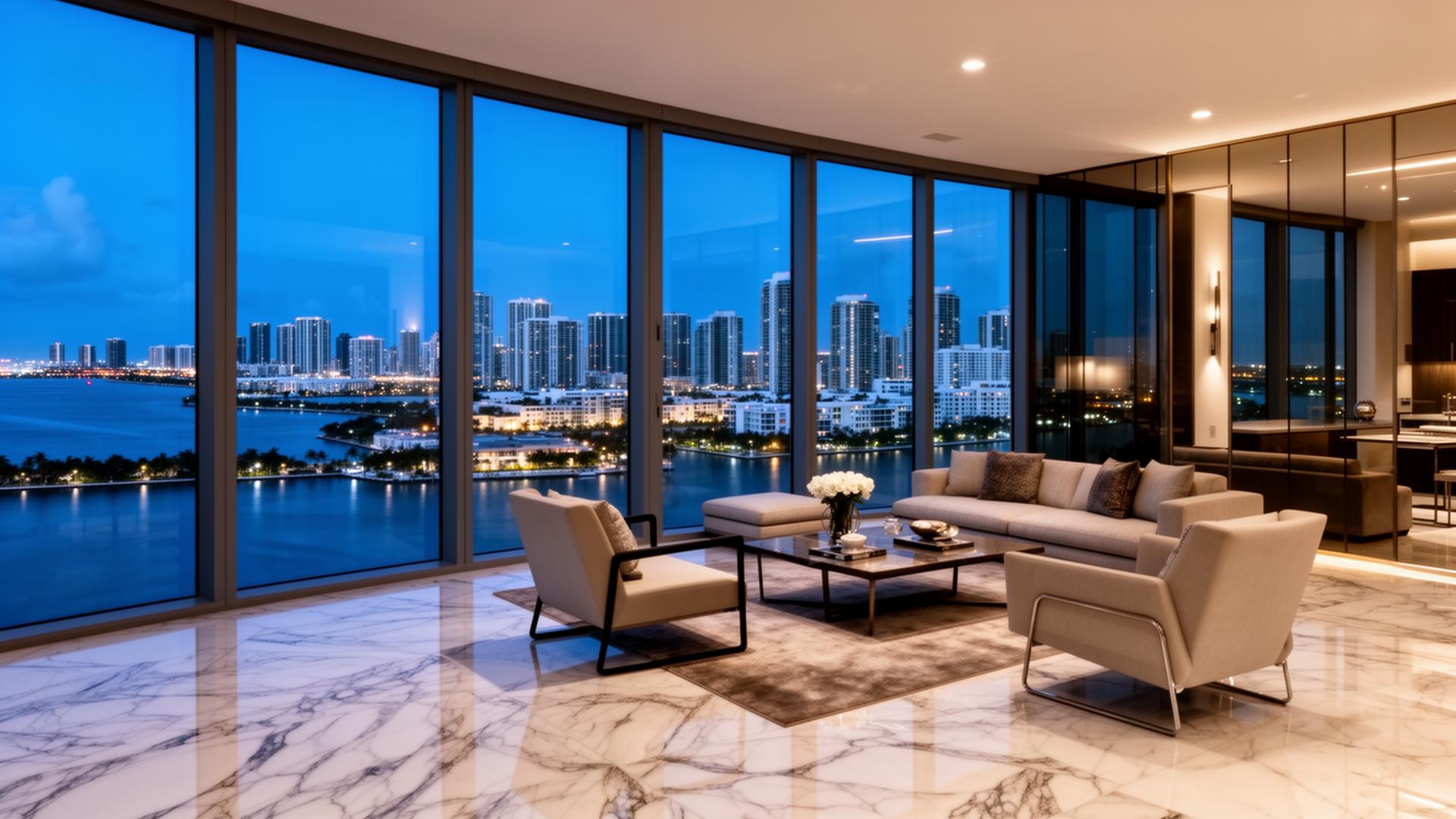
Miami Design District: a 2026 guide to retail and condo living
The Miami Design District is a walkable retail and cultural district north of Downtown Miami, anchored by more than 200 brands and flagship stores, that is now adding a substantial residential layer. For a buyer, the question is whether this is a place to live or just to shop, and in 2026 the answer is both: developers have roughly 1,000 residential units in the pipeline across the district, layered above the ground-floor retail [1][2]. This guide covers the district's structure, the residential product coming online, pricing context for the surrounding ZIP code, and the diligence that matters for a condo purchase here.
Last updated: July 2026
What the Design District actually is
The district was assembled over two decades, largely by developer Craig Robins through Dacra and a partnership with L Catterton, out of what had been a cluster of older warehouses. Today it houses flagship stores for names such as Hermes, Louis Vuitton, Cartier, Dior, Chanel, and Gucci, with more than 200 brands in total by the district's own count [1]. The pedestrian spine runs from Palm Court through Paseo Ponti past the major flagships, and the district doubles as an open-air setting for public art and architecture.
That retail and cultural base is the reason residential developers have moved in. The pitch is a walkable neighborhood where the ground floor is a functioning retail district rather than a parking podium.
The residential pipeline
As of 2026, developers reported roughly 1,000 residential units in the pipeline across the Design District, drawn by the presence of the luxury retail anchors [2]. Projects range from completed mid-rise condominiums to new branded residential towers announced for the district. For a buyer, that pipeline cuts two ways: it signals durable demand and investment, but a heavy delivery of new units over a short window can pressure resale pricing for existing stock.
If you are weighing a Design District condo against selling a current property to fund it, a home valuation on your existing home gives you the numbers to plan the move.
Pricing context
The Design District does not have its own broken-out sale-price index in most public data, so the practical proxy is its ZIP code, 33137, which also covers parts of Edgewater and the bay corridor. In 2026, the median sale price in 33137 was about $845,000, up roughly 7% year over year [3]. That blended figure spans older and newer product across a wide area, so it is context rather than a benchmark for a specific Design District tower.
The right way to price a Design District unit is to comp it against sales in the same building or in directly comparable new construction, not against the ZIP-wide median. New branded product prices well above the blended number.
Diligence for a Design District condo
- New-construction versus resale. For pre-construction, review the developer's track record, the reservation and deposit structure, and the delivery timeline. For resale in a newer building, read the association budget and any early assessment history.
- Reserves and structural compliance. Florida's condo reserve and structural-inspection rules apply here as everywhere. Read the reserve study and any inspection reports.
- Retail and mixed-use interplay. Living above active retail means service hours, deliveries, and event traffic. Ask about noise, loading schedules, and how the association handles the retail interface.
- Leasing rules. Confirm minimum lease terms and any rental caps if rental use is part of your plan.
What the pipeline means for pricing and timing
A roughly 1,000-unit residential pipeline is a signal worth reading carefully [2]. On one hand, it confirms that experienced developers and the retail landlords believe in durable demand, and new branded product tends to set higher price benchmarks that can lift the value of nearby stock. On the other hand, a concentrated delivery of new inventory over a short window can create a buyer's market at completion, especially for resale units competing against fresh developer stock with incentives.
For timing, that means the question is not only which building but when it delivers relative to the rest of the pipeline. If you are buying pre-construction, understand where your project sits in the delivery calendar and what else is scheduled to hand over around the same time. If you are buying resale, factor in that new deliveries can widen your competition when you eventually sell.
The investment case versus the lifestyle case
Design District condos tend to attract two different buyers. The lifestyle buyer wants to live above the retail and cultural district and treats the premium as the cost of that walkability. The investment buyer is underwriting rental yield or appreciation and has to be more disciplined, because the same amenity premium that makes the neighborhood attractive also compresses cap rates. If you are buying to hold, run the rent against dues, taxes, and insurance the same way you would anywhere, and confirm any leasing restrictions in the building's documents before you assume a rental strategy is even permitted.
How the Design District compares
If walkable urban living is the draw but you want more residential density today, Brickell offers a deeper condo market and more dining, while Coconut Grove offers a walkable, lower-rise alternative with a different pace. The Design District's distinction is the retail and cultural anchor at street level, which is what buyers here are really paying for.
Practical steps before you buy
Before committing to a Design District condo, read the full condominium documents, the reserve study, the last two years of budgets and minutes, and the assessment history. For pre-construction, review the developer's completed projects, the deposit structure and refundability, and the projected delivery date relative to the rest of the pipeline. Ask directly about the retail interface: loading and delivery hours, event schedules in the adjacent plazas, and how the association allocates shared costs between residential and retail. Build your comp set from the specific building or from directly comparable new construction, not the ZIP-wide median, because the blended $845,000 figure spans a much wider and older stock than a new Design District tower [3].
Frequently asked questions
Can you live in the Miami Design District?
Yes. Beyond the retail district, developers have roughly 1,000 residential units in the pipeline [2], from completed mid-rise condominiums to new branded towers, layered above the ground-floor stores.
How many stores are in the Design District?
The district counts more than 200 brands, including flagship stores for names such as Hermes, Louis Vuitton, Cartier, Dior, Chanel, and Gucci [1].
What does a condo cost in the Design District?
There is no district-specific public price index, so ZIP 33137 is the proxy, with a 2026 median around $845,000 [3]. New branded product prices well above that blended figure, so comp against the specific building.
Is buying above retail a concern?
It is a diligence item, not a dealbreaker. Ask about delivery and loading schedules, event traffic, and how the association manages the retail interface before you commit.
Gabriel
Sources
- About the Miami Design District
- Miami's Design District has 1,000 resi units in the pipeline - The Real Deal
- 33137 Housing Market - Redfin
Gabriel A. Moyers, PA. eXp Realty. Florida License #3407280. Equal Housing Opportunity. This article is general information as of July 2026 and is not legal, tax, or financial advice. Verify current figures against authoritative sources before acting.
Thinking of selling your luxury property in Miami? Find out what your home is worth.
Get Your Home ValuationLooking for your dream home in Miami? Take our personalized home search quiz.
Start Your Home Search Quiz