
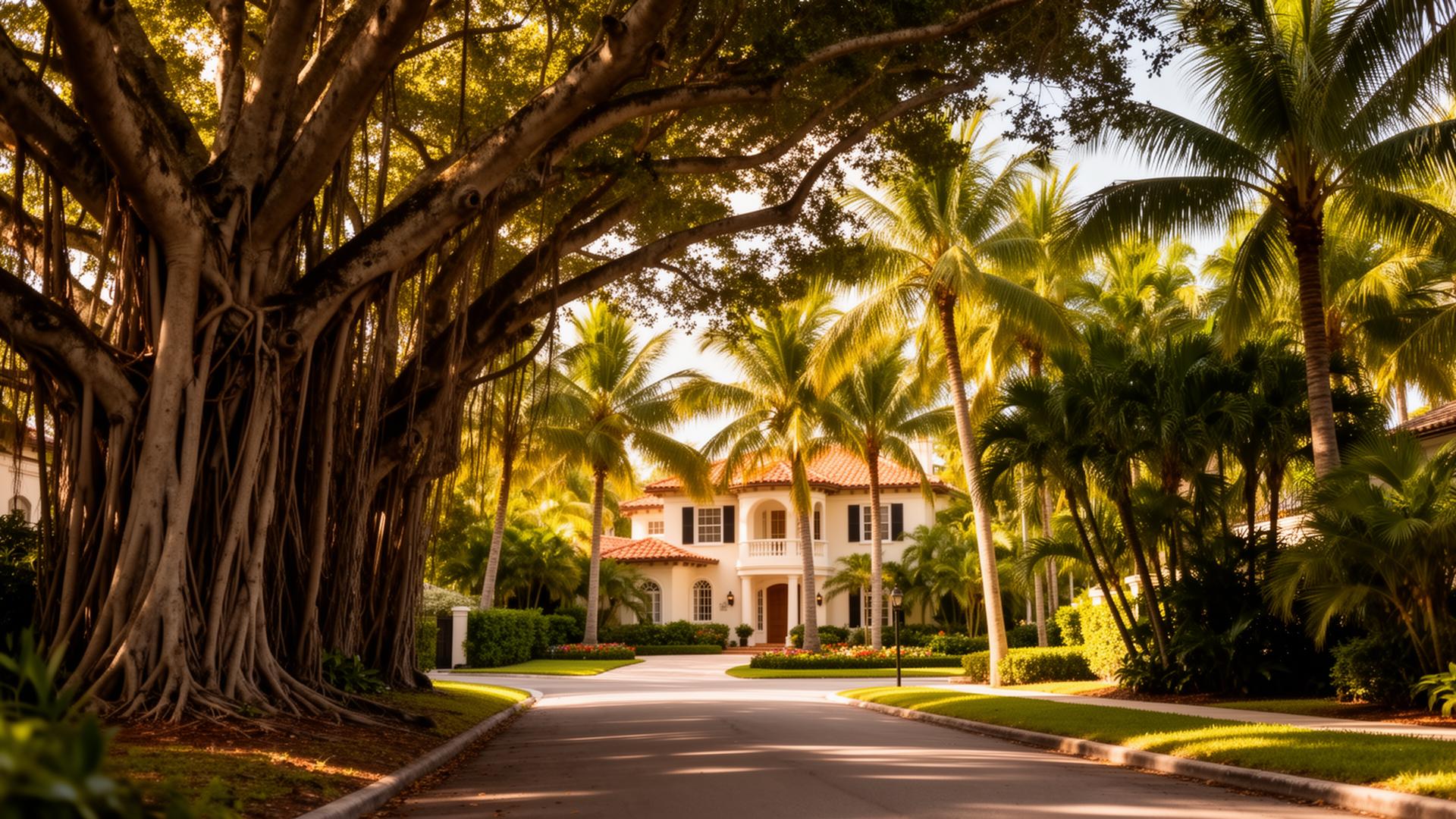
Miami Real Estate for Remote Workers: Areas to Consider
Last updated: July 2026
Remote and hybrid workers can still make a strong case for buying in Miami in 2026, but the profile of who is moving has narrowed. The typical person who relocated to the Miami metro area for work earned more than $101,000 a year in 2024, and high-skilled professionals in scientific and technical fields made up the largest single share of newcomers, at nearly 13 percent [1]. Miami is drawing higher earners with location flexibility, which is exactly the buyer this market now rewards.
The direct guidance: if your income is portable, prioritize the neighborhood traits that support your work and your carrying cost, rather than chasing a generic relocation narrative. That narrative has cooled. Florida's net domestic migration fell to 22,517 in 2025, down sharply from the pandemic peak of 310,892 in 2022, with return-to-office trends cited as a driver of the slowdown [2]. Fewer people are moving on a whim, which means the buyers who do come are more deliberate, and you should be too.
The remote-worker migration picture in 2026
The pandemic-era flood has become a selective stream. The 93 percent drop in Florida's net domestic migration from its 2022 peak reflects normalization, higher home prices, higher insurance, and the return of office mandates [2]. What remains is durable: higher-earning professionals in flexible fields still relocate to Miami, and international migration continues to be Florida's primary growth driver [2]. For a remote worker, that means less crowd-driven competition than in 2021 and 2022, and more room to buy on fundamentals.
What remote workers should prioritize
Work-from-home buyers have a different requirements list than commuters. Reliable connectivity, a floor plan that fits a real office, building amenities such as coworking lounges, walkability to services, and a manageable total carrying cost tend to matter more than proximity to a specific employment center. Because your income is not tied to a commute, you can optimize for lifestyle and cost of ownership rather than drive time.
Neighborhoods that fit different remote-work needs
Miami offers distinct trade-offs by area. Brickell suits buyers who want a walkable, high-rise, amenity-rich base with restaurants and coworking space at street level. Coconut Grove appeals to those who want a quieter, tree-lined setting with low vacancy and a village feel, still close to the urban core. Coral Gables offers established single-family neighborhoods and larger floor plans for buyers who need dedicated home-office space. The right fit depends on whether you value density and amenities or space and quiet.
Underwrite the full cost, not just the mortgage
Portable income does not exempt you from Florida's carrying-cost math. Property insurance and, for condos, monthly assessments and reserve obligations can materially change what a home costs to hold. Build those into your budget before you fall for a floor plan. A buyer consultation models the payment, insurance, and assessments together so you can compare neighborhoods on true cost of ownership rather than list price.
Cost of living beyond the mortgage
Remote workers relocating from another state should model total cost of ownership, not just the mortgage, because Florida shifts the mix of expenses. The absence of a state income tax can improve your take-home meaningfully, but property insurance and, for condos, monthly assessments offset part of that gain. A home that looks affordable on the list price can carry a heavier monthly burden than an equivalent property in a lower-insurance state.
Connectivity and workspace deserve equal attention. Confirm fiber or reliable high-speed service at the specific address rather than assuming it, since availability varies building to building and block to block. A floor plan with a genuine room for an office, or a building with a quiet coworking lounge, is worth more to a full-time remote worker than proximity to a job center you rarely visit. The right approach is to weight your search toward the traits your daily work actually requires, then confirm the total carrying cost fits your budget before you commit to a neighborhood.
Consider renting before you buy
For a relocating remote worker, renting in a target neighborhood for a season before buying is often the smarter sequence. It lets you test the commute-optional lifestyle, the connectivity, the noise, and the daily rhythm of an area against your actual work pattern rather than a weekend visit. Miami neighborhoods differ sharply block to block, and a building that looks ideal online can feel wrong once you live in it. Renting first also gives you time to underwrite the true carrying cost of ownership in that specific area, insurance and assessments included, before you commit capital. The flexibility remote work provides is exactly what makes this test-first approach practical, and it reduces the risk of buying into the wrong location.
Match the property to your work pattern
The final filter for a remote worker is fit with how you actually work. A fully remote professional who is home all day weights natural light, a quiet dedicated office, and reliable connectivity heavily, and can trade proximity to the urban core for space and value. A hybrid worker who commutes a few days a week still needs reasonable access to an office and may accept a smaller home in a more central, walkable area. Neither profile should buy on a generic relocation pitch. Define your weekly pattern first, then let it drive the neighborhood and floor-plan decision. When the property fits the work, the purchase supports your daily life rather than fighting it, which is the entire advantage of buying with portable income.
Frequently asked questions
Are remote workers still moving to Miami in 2026? Yes, but more selectively. Florida's net domestic migration fell to 22,517 in 2025 from a 2022 peak of 310,892, with return-to-office cited as a factor [2]. Higher-earning professionals still relocate to Miami [1].
What do Miami work transplants typically earn? The typical person who relocated to the Miami metro for work earned more than $101,000 a year in 2024 [1].
Which Miami neighborhood is best for working from home? It depends on your priorities. Brickell offers walkable density and amenities, Coconut Grove offers a quieter setting, and Coral Gables offers larger homes with room for a dedicated office.
Is now a good time for a remote worker to buy in Miami? With migration normalized, there is less crowd-driven competition than in 2021 and 2022. If the carrying cost fits your budget, buying on fundamentals is reasonable.
What costs do remote buyers underestimate? Insurance and, for condos, monthly assessments and reserve obligations. These can materially change the cost to hold a property in Florida.
Remote work gives you flexibility that most buyers do not have. Use it to optimize for cost of ownership and daily life, and underwrite the full carrying cost before you choose a neighborhood.
Gabriel
Sources
- Yahoo Finance, Miami still pulls high-income job movers
- ResiClub Analytics, net domestic migration by state, 2025
Gabriel A. Moyers, PA. eXp Realty. Florida License #3407280. Equal Housing Opportunity. This article is general information as of July 2026 and is not legal, tax, or financial advice. Verify current figures against authoritative sources before acting.
Thinking of selling your luxury property in Miami? Find out what your home is worth.
Get Your Home ValuationLooking for your dream home in Miami? Take our personalized home search quiz.
Start Your Home Search Quiz