
Palmetto Bay Real Estate: A Village of Parks in South Miami-Dade
Last updated: July 2026
Palmetto Bay real estate is a suburban, single-family market in south Miami-Dade built around larger lots, a bayfront chain of parks, and schools that draw buyers out of denser neighborhoods. The Village of Palmetto Bay is an incorporated municipality between Pinecrest to the north and Cutler Bay to the south, and it trades at a premium to the county as a whole. In December 2025 the median sale price in Palmetto Bay was about $980,000, down 12.5 percent from a year earlier, with homes taking roughly 94 days to sell versus 80 a year before [1]. Against the county single-family median of $699,990 recorded in January 2026, Palmetto Bay runs well above the midpoint, which reflects lot size, the waterfront setting, and the village's low-density character [2].
This article covers what that premium reflects, how the parks and bayfront shape value, and where the market sits now.
A low-density village of larger lots
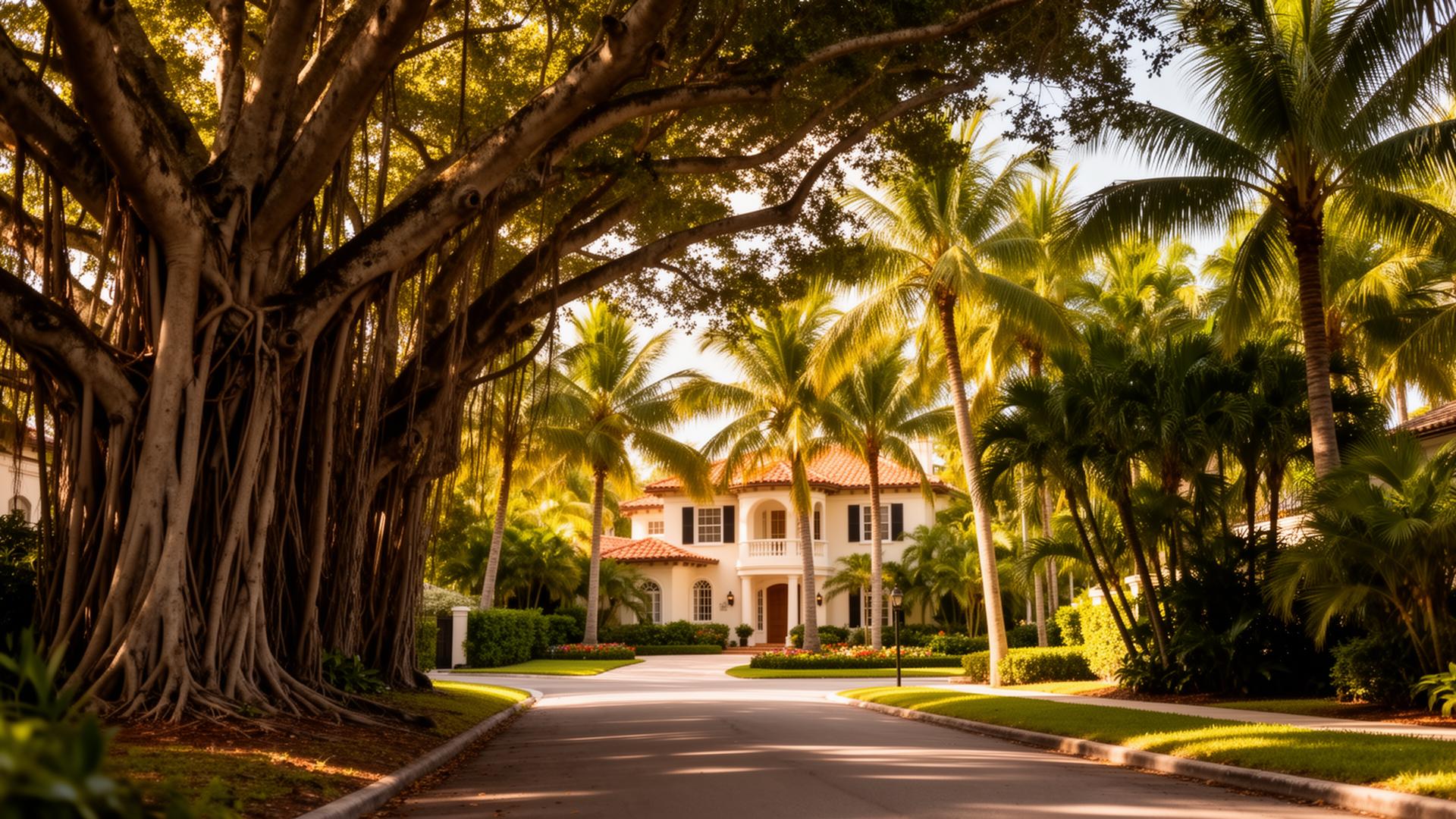
Palmetto Bay's defining feature as a housing market is scale of land. Where much of Miami-Dade is built on compact lots or vertical density, Palmetto Bay is predominantly single-family homes on larger parcels, with a good share of the market in gated and estate-style pockets closer to the bay. That low-density zoning is deliberate and is a large part of why buyers pay a premium here: you are buying land and a suburban feel that is hard to find at this distance from the urban core.
For an underwriting-minded buyer, lot size is the first pricing lever. Two homes with similar interiors can price very differently based on parcel size, whether the lot is west of US-1 or in the more expensive bayfront zone, and how close it sits to the water. Establish which of those tiers a property is in before you anchor on a number.
The parks and the bayfront
Palmetto Bay markets itself as a village of parks, and the green space is a genuine driver of demand rather than a slogan. The signature asset is the Deering Estate, a 444-acre environmental, archaeological, and historic preserve on Biscayne Bay, listed on the National Register of Historic Places and managed by Miami-Dade County [3]. The preserve protects globally rare pine rockland habitat and has documented more than 170 resident and migratory bird species as part of the Biscayne Bay Important Bird Area [3]. For buyers, that means a large permanent open space anchoring the community's southern bayfront, which supports nearby values and is not going to be redeveloped.
Beyond the Deering Estate, the village maintains a set of neighborhood parks that give the area its low-density, outdoor character. When you compare Palmetto Bay against denser neighborhoods at similar price points, the access to bayfront preserve and park space is a meaningful part of what the premium buys.
Location and commute
Palmetto Bay sits along US-1 south of Pinecrest, so road access north toward Coral Gables, South Miami, and downtown runs up the US-1 corridor, with the Turnpike available further west for longer trips. The village itself does not have a Metrorail station; the southern end of the Metrorail line and the busway serve the corridor, so most households here rely on the car for daily trips. Test-drive your specific commute at peak hours, because US-1 traffic is the main friction point of living this far south.
Financing costs are part of the affordability math even at this price tier. The 30-year fixed mortgage averaged 6.49 percent the week of July 9, 2026, down from 6.72 percent a year earlier, a modest improvement in buying power [4]. On a Palmetto Bay-priced home, small rate moves translate into meaningful monthly differences, so lock timing matters.
Reading the current market
The double-digit year-over-year price pullback and the longer selling times in the late-2025 data point to a market where buyers have regained negotiating room after the peak years [1]. That is consistent with the broader cooling across upper-tier South Florida suburbs. For a buyer, it argues for patience and disciplined underwriting to lot size, flood zone, and insurance rather than chasing a listing at last year's price. For a seller, it argues for pricing against genuine recent comparables in the same tier of the village, since a bayfront estate and an inland home are not the same product and should not be priced off each other.
Insurance and flood exposure deserve specific attention here given the bayfront geography. Pull the flood zone and a real insurance quote on any property near the water before you commit to a number, because those carrying costs vary sharply within the village.
How Palmetto Bay compares to its neighbor
The market buyers most often cross-shop against Palmetto Bay is Pinecrest directly to the north, which shares the large-lot, single-family character at a generally higher price point. The Pinecrest neighborhood guide is a useful comparison read if you are deciding between the two. When you are ready to model an actual Palmetto Bay purchase against real comparables, a buyer consultation is where the market data becomes a specific offer, and if you own here already, a home valuation will tell you where your property sits in the current market.
Frequently asked questions
How much do homes cost in Palmetto Bay?
In December 2025 the median sale price was about $980,000, down 12.5 percent year over year [1]. That runs well above the Miami-Dade County single-family median of $699,990 recorded in January 2026, reflecting Palmetto Bay's larger lots and bayfront setting [1][2]. Prices vary sharply between inland homes and the bayfront tier.
Is Palmetto Bay a good area for outdoor recreation?
Yes, the village is built around parks and the bayfront. The 444-acre Deering Estate preserve on Biscayne Bay protects rare pine rockland habitat and hosts more than 170 documented bird species, and the village maintains additional neighborhood parks [3].
Does Palmetto Bay have Metrorail access?
No station sits inside the village. Palmetto Bay is served by the US-1 corridor and the busway rather than a Metrorail stop, so most households rely on a car for daily trips. Test your specific commute at peak hours before buying.
Why is Palmetto Bay more expensive than much of Miami-Dade?
The premium reflects low-density zoning, larger single-family lots, the bayfront setting, and permanent open space like the Deering Estate [3]. Those features are hard to replicate at this distance from the urban core, which supports values above the county median [2].
Is now a buyer's or seller's market in Palmetto Bay?
Late-2025 data showed a double-digit year-over-year price pullback and longer selling times, which points to more buyer negotiating room than during the peak years [1]. Disciplined pricing on the sell side and careful underwriting on the buy side both fit that environment.
Gabriel
Sources
- Palmetto Bay Housing Market, Redfin
- Miami-Dade Total Home Sales, Single-Family Transactions Climb Again, MIAMI REALTORS
- Deering Estate, Miami-Dade County Parks
- Mortgage Rates Hover in Mid-Six Percent Range, Freddie Mac PMMS (July 9, 2026)
Gabriel A. Moyers, PA. eXp Realty. Florida License #3407280. Equal Housing Opportunity. This article is general information as of July 2026 and is not legal, tax, or financial advice. Verify current figures against authoritative sources before acting.
Thinking of selling your luxury property in Miami? Find out what your home is worth.
Get Your Home ValuationLooking for your dream home in Miami? Take our personalized home search quiz.
Start Your Home Search Quiz