
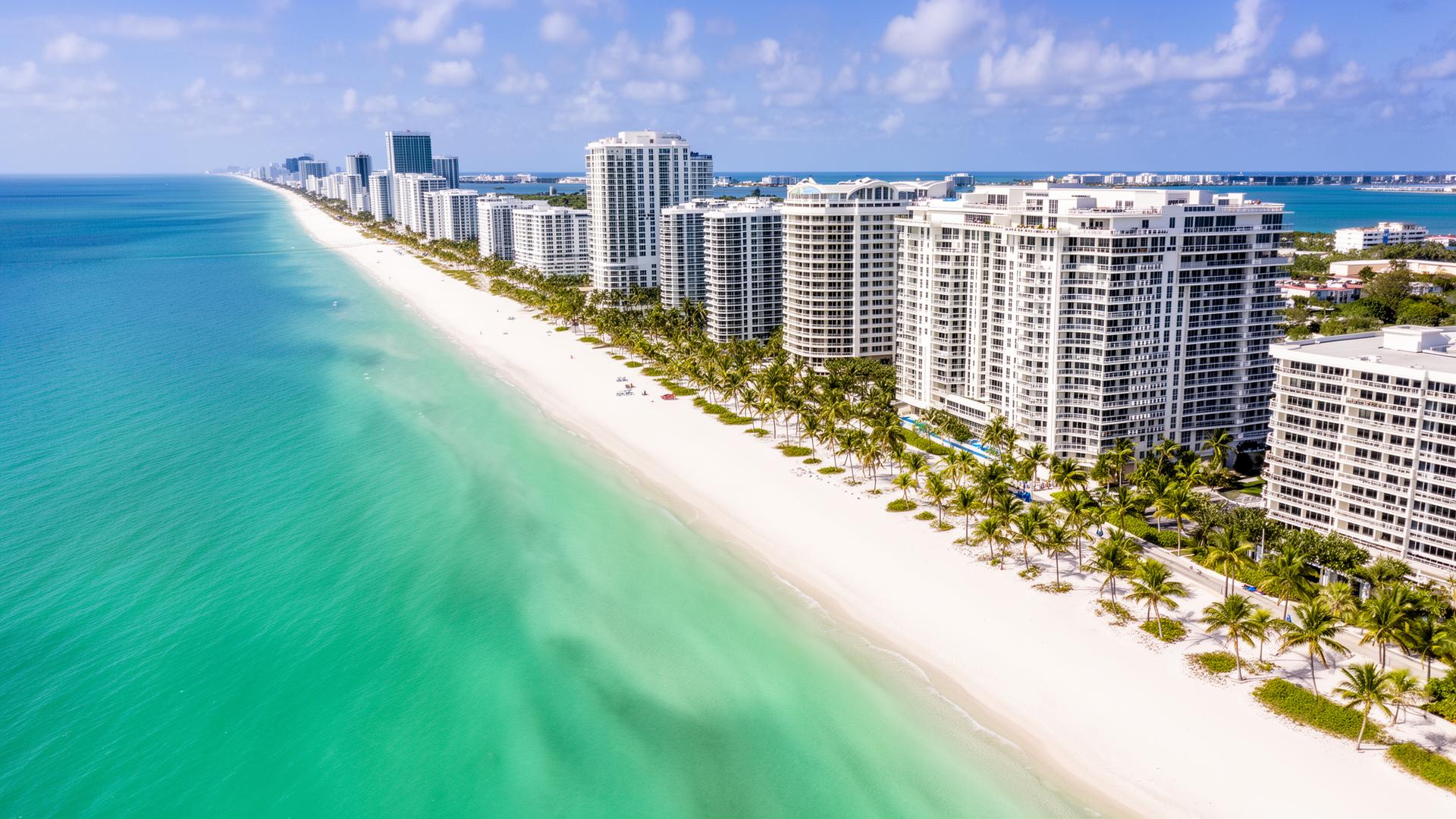
Storm Surge vs. Flooding: Know the Difference in Miami
Storm surge and flooding are related but distinct hazards, and the difference matters when you assess a Miami property. The National Hurricane Center defines storm surge as an abnormal rise of water generated by a storm, over and above the predicted astronomical tide, driven by a hurricane's winds pushing ocean water onto the coast [1]. General flooding is broader: it includes rainfall-driven, freshwater flooding from overwhelmed drainage, rivers, and urban runoff, which can occur far from the coast and even without a hurricane. For insurance, the distinction is less about the label and more about one hard fact: standard homeowners insurance excludes flood damage of all kinds, so both surge and rainfall flooding fall to a separate flood policy from the National Flood Insurance Program or a private flood insurer [2].
Last updated: July 2026
For a coastal, low-lying market like Miami-Dade, understanding which hazard threatens a given property, and how it is covered, is part of underwriting the purchase rather than an afterthought.
What storm surge is
Storm surge is a coastal, wind-driven phenomenon. As a hurricane approaches, its winds push seawater toward the shore, piling it up above the normal tide level. The National Hurricane Center describes it as an abnormal water-level rise generated by a storm over and above the predicted astronomical tide [1]. When that surge combines with the regular tide, the total observed water level is called the storm tide.
The reason surge dominates hurricane-safety messaging is its lethality. The National Hurricane Center states that storm surge from tropical cyclones poses a significant threat to life and property along the coast and is currently the leading cause of fatalities from hurricanes [1]. Surge can push water well inland along low-lying coastlines, which describes much of Miami-Dade's shoreline and barrier islands.
What inland or rainfall flooding is
Inland flooding is a different mechanism. It is driven by precipitation rather than ocean push: heavy or prolonged rainfall that overwhelms drainage systems, rivers, canals, and low-lying ground. It can happen from a slow-moving tropical system, an ordinary summer downpour, or a stalled storm that never makes a coastal landfall at all.
In Miami-Dade the two hazards can occur together during a hurricane, surge on the coast and rainfall flooding inland, but they are not the same risk, and a property's exposure to each depends on its location and elevation. A home several miles inland may face little surge risk yet still sit in a rainfall-flood-prone drainage area, while a coastal property may be exposed to both.
How the hazards are modeled and mapped
FEMA's flood maps, which drive flood-zone designations and insurance requirements, account for coastal and inland flood sources. FEMA's current pricing methodology, Risk Rating 2.0, explicitly incorporates a broad range of flood sources including rivers, storm surge, and heavy rainfall rather than surge alone [2]. That is why two Miami-Dade homes in different zones or at different elevations can carry very different flood risk and pricing. Buyers weighing coastal areas such as Miami Beach or Key Biscayne are generally looking at higher surge exposure than buyers focused on higher-elevation inland neighborhoods, and the flood maps reflect that.
The insurance line that catches buyers off guard
Here is the point that surprises the most buyers. A standard homeowners policy covers hurricane wind damage, but it excludes flood, and that exclusion applies to storm surge as well as rainfall flooding [2]. Water that enters from surge or rising floodwater is not a homeowners-policy claim.
Flood coverage is a separate purchase, available through the National Flood Insurance Program, administered by FEMA, or from private flood insurers [2]. An NFIP building policy covers up to $250,000 of flood damage to the structure, and a contents policy covers up to $100,000, so owners of higher-value Miami properties frequently layer private excess flood coverage above the NFIP limits [2]. In Florida, this is also where the recurring "wind versus water" claim dispute originates after a hurricane: wind damage routes to the homeowners or windstorm carrier, while surge and flood route to the flood policy.
For a buyer, the practical sequence is to identify the property's flood zone and elevation, confirm what flood coverage is required and available, and price it before you are under contract. If you want this folded into the underwriting on a specific property, a buyer consultation is where I bring flood exposure and coverage into the numbers. Sellers preparing to list can get a grounded read through a listing valuation.
Frequently asked questions
What is the difference between storm surge and flooding?
Storm surge is coastal water pushed ashore by a storm's winds, defined by the National Hurricane Center as an abnormal rise of water above the predicted astronomical tide [1]. General flooding is broader and includes rainfall-driven, freshwater flooding from overwhelmed drainage, rivers, and runoff, which can occur inland and without a hurricane.
Does homeowners insurance cover storm surge in Miami?
No. Standard homeowners insurance excludes flood damage, and that exclusion includes storm surge [2]. Surge and other flood damage are covered only under a separate flood policy from the NFIP or a private flood insurer.
Is storm surge or rainfall the bigger threat during a hurricane?
The National Hurricane Center states that storm surge is currently the leading cause of fatalities from hurricanes and a significant threat to life and property along the coast [1]. Rainfall flooding is a serious and separate hazard, especially inland.
Where does flood insurance come from if homeowners insurance excludes it?
Flood coverage is a separate policy from the National Flood Insurance Program, administered by FEMA, or from private flood insurers [2]. NFIP building coverage tops out at $250,000, with contents at $100,000, so higher-value homes often add private excess coverage.
Do I need flood insurance if my Miami home is not on the water?
Possibly. Rainfall flooding can affect inland properties in low-lying drainage areas, and FEMA maps flood risk from multiple sources, not just surge [2]. Check the property's specific flood zone and elevation rather than assuming distance from the coast means no risk.
Gabriel
Sources
- National Hurricane Center (NOAA) - Storm Surge Overview: definition and leading cause of hurricane fatalities
- FEMA - Flood Insurance: homeowners policies exclude flood, NFIP coverage and Risk Rating 2.0 flood sources
Gabriel A. Moyers, PA. eXp Realty. Florida License #3407280. Equal Housing Opportunity. This article is general information as of July 2026 and is not legal, tax, or financial advice. Verify current figures against authoritative sources before acting.
Thinking of selling your luxury property in Miami? Find out what your home is worth.
Get Your Home ValuationLooking for your dream home in Miami? Take our personalized home search quiz.
Start Your Home Search Quiz