
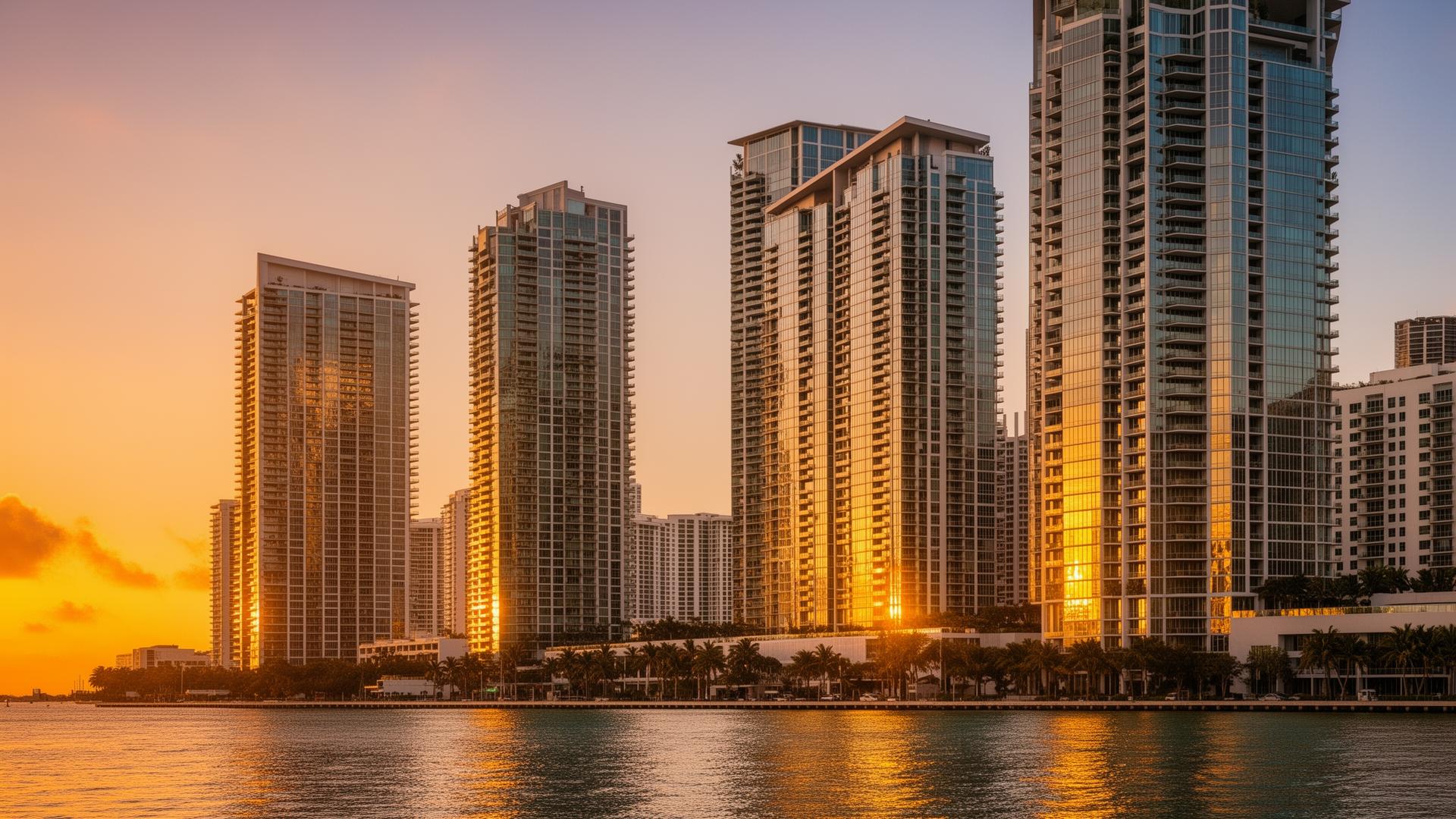
Whole-home automation in Brickell penthouses: what to underwrite
Whole-home automation in a Brickell penthouse is an infrastructure decision with real resale consequences, not just a convenience upgrade. A centralized controller such as Crestron, Savant, or Control4 ties lighting, climate, shades, security, and audio-video into one system. The features that hold value are the ones that lower an operating cost or address a documented risk: a certified smart thermostat saves about 8 percent of heating and cooling costs on average [1], and integrated leak detection addresses one of the most common insurance claims. This guide covers what to underwrite in an automated penthouse, and the resale trap that turns a marquee system into deferred maintenance.
Last updated: July 2026
What automation is and is not
A whole-home system is a centralized brain, typically Crestron, Savant, or Control4, that coordinates subsystems through one interface rather than a collection of separate apps. That integration is the value: one control layer, one service relationship, one point of documentation. The risk is the same integration when it is unsupported. An orphaned proprietary system reads to a buyer as a repair bill, not a feature.
Underwrite the system on two questions. Does it lower a recurring cost or a documented risk? And is it serviceable and documented for the next owner? Everything else is preference.
The features that actually pay
Two categories consistently justify themselves.
Climate and controls. In a glass tower with large western exposures, cooling load and solar heat gain drive the electric bill. A certified smart thermostat integrated with automated shades manages both. The measured savings track the ENERGY STAR benchmark of about 8 percent of heating and cooling costs [1], and the Department of Energy notes setbacks of 7 to 10 degrees for eight hours a day can save up to 10 percent a year on heating and cooling [2]. With FPL's typical residential bill rising to about $137 a month for a 1,000 kWh customer in 2026 [3], the percentage is a real number on a large unit.
Water and leak protection. In a high-rise, a leak is not only your problem, it is a liability to the units below you. Integrated leak detection with automatic shutoff is the automation feature most likely to matter to an insurer and to a board. It is risk management wearing a smart-home label.
EV charging in the building
Automation buyers usually drive EVs, so charging belongs in the same due-diligence pass. Florida Statute 718.113(8) prevents a condo declaration from prohibiting an owner from installing a charger in an assigned or limited-common-element space, assigns the install and metering costs to the owner, and treats a board's installation of shared chargers on common elements as not a material alteration [4]. In newer Brickell towers, electrical headroom for charging is more common than in older stock, but verify capacity on the specific building rather than assuming it.
Why glass towers make climate control the priority
A Brickell penthouse is mostly glass, and glass is where the cooling load lives. Large curtain-wall exposures, especially western ones that catch the afternoon sun, turn solar heat gain into the dominant driver of the electric bill for much of the year. That physics is why the climate-and-shade layer, rather than the entertainment layer, is the part of an automation package that pays.
Automated shades tied to the thermostat and to a solar sensor pre-empt heat gain instead of fighting it after the fact. The thermostat contributes its measured share, roughly 8 percent of heating and cooling costs on the ENERGY STAR benchmark [1], and the Department of Energy's setback guidance of 7 to 10 degrees for eight hours a day adds up to 10 percent a year on top for the hours the unit is unoccupied [2]. On a penthouse-scale electric bill, well above FPL's typical $137 monthly figure for a 1,000 kWh customer [3], those percentages are a line item worth managing rather than a rounding error.
The resale trap in proprietary systems
The most common mistake in a high-end automated home is treating the system as a permanent asset when it is really a serviced one. Three practices keep it an asset:
- A named integrator and a current service contract. Buyers credit a system that someone maintains.
- Full documentation. Device inventory, network credentials, and a written handoff to the next owner.
- Restraint on bespoke complexity. A deeply customized system that only one programmer understands is a liability at resale.
If you are buying an automated penthouse, have the system inspected and documented as part of due diligence, the same way you would the mechanical systems. A buyer consultation on a specific building can flag whether the automation is supported or orphaned before you write the offer.
What a supported system looks like at the closing table
The practical test at purchase is whether the automation transfers as a working asset or as a project. A supported system arrives with a named integrator you can call, a device inventory that matches what is actually installed, network and account credentials handed over cleanly, and a firmware and software state that is current rather than years behind. A project, by contrast, shows up as a control panel nobody can log into, a programmer who has moved on, and subsystems that half-work.
The distinction matters because re-commissioning an orphaned proprietary system is not cheap. Depending on the platform and the degree of customization, bringing a neglected Crestron or Control4 install back to reliable operation can rival the cost of a meaningful renovation line item. That is why the automation deserves the same scrutiny as the roof or the mechanicals, and why the cleanest penthouses to buy are the ones where the seller can produce the documentation on request. Ask for it early. A seller who can hand it over quickly is telling you the system is an asset; a seller who cannot is telling you something too.
How this reads against the broader Miami market
Whole-home automation follows the same underwriting logic across the wider condo market that it does in a single Brickell tower: pay for the systems that lower a bill or reduce a documented risk, and discount the ones that only demonstrate well. A certified thermostat, integrated shading, and a documented leak system are the parts that appraisers and buyers credit. The bespoke lighting scenes and multi-room audio are pleasant, but they are preference, not value, and they do not survive an appraisal on their own.
Frequently asked questions
Does whole-home automation add value to a Brickell penthouse?
The features that lower a recurring cost or a documented risk do. A certified smart thermostat saves about 8 percent of heating and cooling costs [1], and integrated leak detection addresses a common high-rise insurance exposure. A marquee system that is unsupported can subtract value at resale.
What automation features matter most in a high-rise?
Climate and shade control, because glass towers are cooling- and solar-heat-driven, and leak detection with automatic shutoff, because a leak is a liability to units below. Both are risk- and cost-management features rather than novelties.
Can I install an EV charger in my Brickell condo?
Florida Statute 718.113(8) prevents the association from prohibiting a charger in your assigned or limited-common-element space and assigns the cost and separate metering to you [4]. Verify the building's spare electrical capacity before you rely on it.
Is a proprietary automation system a resale liability?
It can be if it is undocumented or unsupported. A named integrator, a current service contract, and a full handoff of devices and credentials keep the system an asset rather than deferred maintenance.
Gabriel
Sources
- ENERGY STAR, Smart Thermostats FAQs
- U.S. Department of Energy, Thermostats
- Florida Power and Light, 2026 Residential Rates
- The Florida Senate, Statute 718.113 (EV charging, subsection 8)
Gabriel A. Moyers, PA. eXp Realty. Florida License #3407280. Equal Housing Opportunity. This article is general information as of July 2026 and is not legal, tax, or financial advice. Verify current figures against authoritative sources before acting.
Thinking of selling your luxury property in Miami? Find out what your home is worth.
Get Your Home ValuationLooking for your dream home in Miami? Take our personalized home search quiz.
Start Your Home Search Quiz