
Pinecrest Parks and Outdoor Living: A Buyer's Guide
Last updated: June 2026
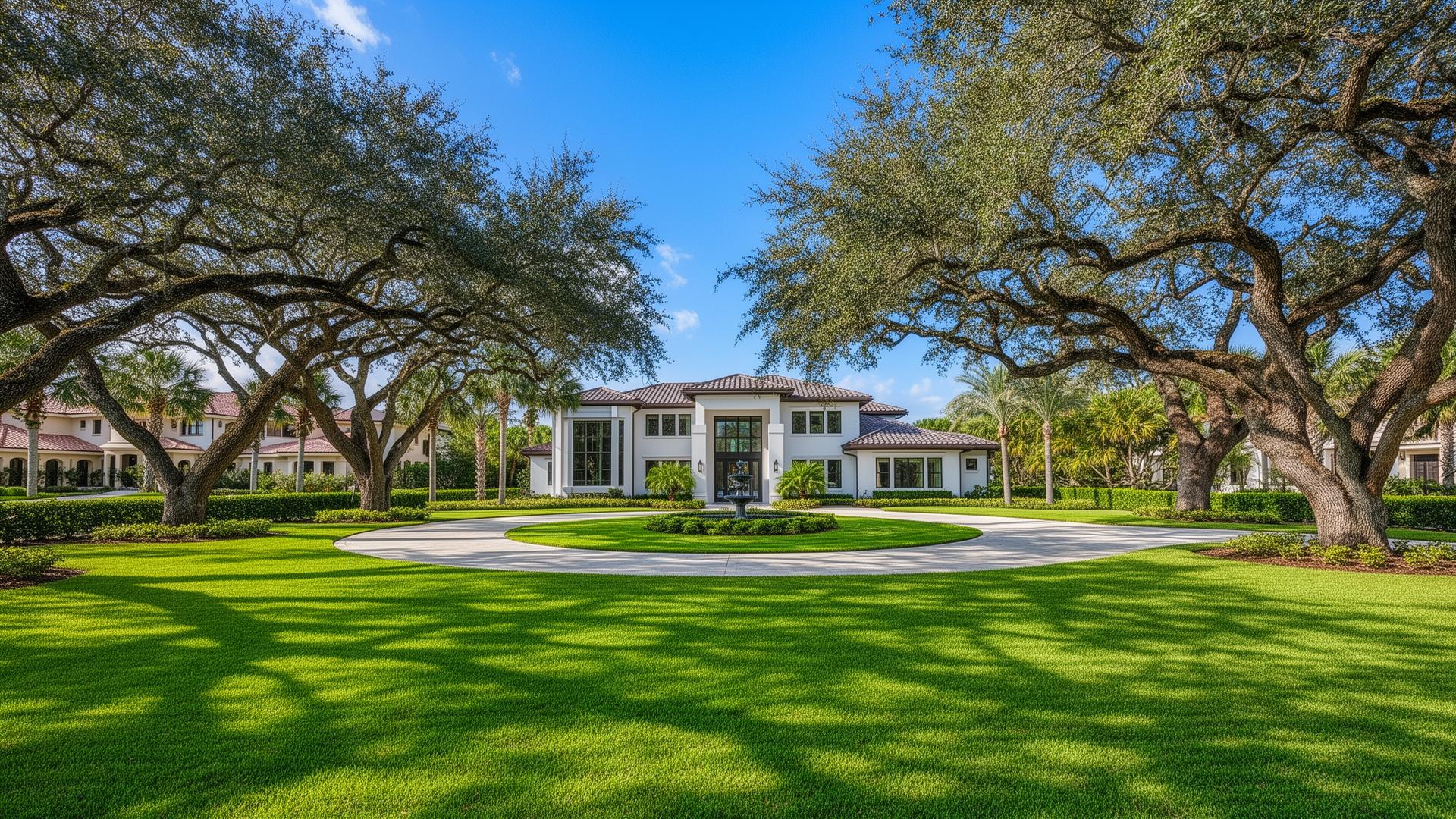
Pinecrest is known for its lot size, its canopy, and its deliberate, low-density zoning. What is less obvious from the list prices is how much the outdoor experience is built into the value. Large lots are not just a square-footage statistic; they are what make room for pools, guest houses, edible gardens, and mature oak trees. The village also protects the greenery through its own tree preservation ordinance and through its purchase of the Pinecrest Gardens site. For a buyer, that means the outdoor setting is not a marketing pitch; it is a municipal feature that the village has actively chosen to preserve.
This article covers the outdoor landscape in Pinecrest: the parks, the gardens, the lot size rules, and the practical implications for a buyer or seller. If you are trying to decide whether the Pinecrest premium is justified, the outdoor component is a large part of the answer. If you want to see current listings, visit the Pinecrest neighborhood page; if you want a valuation, start with a listing valuation.
The lot is the first outdoor amenity
Pinecrest's zoning starts with land. The low-density residential districts require a one-acre minimum lot area, and the EU-1C estate district requires 2.5 gross acres per dwelling unit, with density capped at one dwelling unit per gross acre [1]. The stated purpose is to protect the estate and single-family character of the village and to preserve open space [1]. That regulatory choice is why a Pinecrest backyard is not an afterthought; it is the defining feature of the property.
From a value standpoint, the lot is not just yard space. It is the asset that supports pools, outdoor kitchens, guest cottages, sport courts, and large oaks. In most Miami markets, those features would be cramped or impossible. In Pinecrest, they are standard. This is why the land value is the anchor of the underwriting, not the structure alone.
Pinecrest Gardens
The centerpiece of the village's outdoor identity is Pinecrest Gardens, a 14-acre botanical garden and cultural park in the center of the village. The village purchased the site in the late 1990s to prevent it from being developed as a residential subdivision, and it has operated it as a public garden and event venue since 2002 [2]. It is one of the few municipal botanical gardens in the region and includes a butterfly exhibit, a petting zoo, and walking paths. The fact that the village used public funds to preserve it, rather than let it convert to housing, is a strong signal about how Pinecrest values its open space.
Local parks and recreation
Beyond Pinecrest Gardens, the village maintains a network of smaller parks and recreation facilities. The Suniland and Evelyn Greer parks are the main local parks, with sports fields, tennis courts, and playgrounds. The village also runs a community center and a range of recreation programs. For a resident, the practical result is that most homes are within a short drive of a public park or green space, and the village programs provide structured activities without needing to leave the municipality.
Tree canopy and preservation
Pinecrest's tree canopy is part of its identity. The village has a tree preservation ordinance that regulates the removal and replacement of trees, especially specimen trees and protected species. This is not just an aesthetic rule; it is a land-use control that limits how much a property owner can clear and reshape the lot. For buyers who want the mature-tree look, the ordinance protects it. For buyers who want to build or expand, the ordinance adds a permitting step and potential replacement costs. Either way, the canopy is a regulated feature of the neighborhood, not a coincidence of previous landscaping.
Outdoor living as a resale argument
If you are selling a Pinecrest home, the outdoor space is usually the first feature to lead with. Buyers in this market are often comparing Pinecrest to other neighborhoods precisely because they want the land. A pool, guest house, or mature trees should be photographed and described before interior finishes. The reason is that the land is scarce and protected; the interior can always be renovated. For a seller, the listing should emphasize lot size, privacy, and any permitted outdoor structures.
If you are buying, the same logic applies in reverse. You should value the lot first, then the structure. A dated home on a well-positioned, well-treed acre is often a better long-term purchase than a renovated home on a compromised lot, because the dirt is the scarce part.
Operating costs and practical considerations
More land means more maintenance. Lawns, irrigation, pools, and mature trees are not free to maintain, and the annual operating cost is higher than in a typical condo or zero-lot-line home. Buyers should budget for landscaping, tree care, pool service, and water. On the insurance side, Pinecrest is inland, so it avoids the wind and flood exposure of the barrier islands, but the actual quote depends on the roof, wind mitigation, and the specific flood zone. For 2026, Citizens Property Insurance recommended a statewide average rate decrease of 2.6% for personal lines, with three of five policyholders seeing an average 11.5% reduction (about $359) pending approval [3]. Model the property-specific quote, not the headline.
Frequently asked questions
What is the minimum lot size in Pinecrest?
Pinecrest's low-density residential zoning requires a one-acre minimum lot area, and the EU-1C estate district requires 2.5 gross acres per dwelling unit [1].
What is Pinecrest Gardens?
Pinecrest Gardens is a 14-acre botanical garden and cultural park in the center of Pinecrest. The village purchased the site in the late 1990s and opened it as a public garden in 2002 to prevent the land from being developed as residential [2].
Are trees protected in Pinecrest?
Yes. Pinecrest has a tree preservation ordinance that regulates the removal and replacement of trees, especially specimen trees and protected species. This protects the canopy but also adds a permitting step for clearing or construction.
Is Pinecrest good for outdoor recreation?
Pinecrest has a strong network of parks and recreation facilities, including Pinecrest Gardens, Suniland Park, and Evelyn Greer Park, plus a village community center and recreation programs. The larger lots also support private outdoor amenities like pools and sport courts.
How should a seller market outdoor space in Pinecrest?
Lead with lot size, privacy, and mature trees. The land is the scarce asset in Pinecrest, so outdoor features usually matter more than interior finishes in the buyer's underwriting.
Sources
- Municode Library: Village of Pinecrest Code of Ordinances, Ch. 30 Art. 4 Div. 4.2 Residential Districts
- Village of Pinecrest: Pinecrest Gardens
- Citizens Property Insurance: Citizens Recommends Rate Cuts for Most Policyholders
Gabriel A. Moyers, PA. eXp Realty. Florida License #3407280. Equal Housing Opportunity. This article is general information as of June 2026 and is not legal, tax, or financial advice. Verify current zoning, park hours, and insurance quotes with authoritative sources before acting.
Thinking of selling your luxury property in Miami? Find out what your home is worth.
Get Your Home ValuationLooking for your dream home in Miami? Take our personalized home search quiz.
Start Your Home Search Quiz