
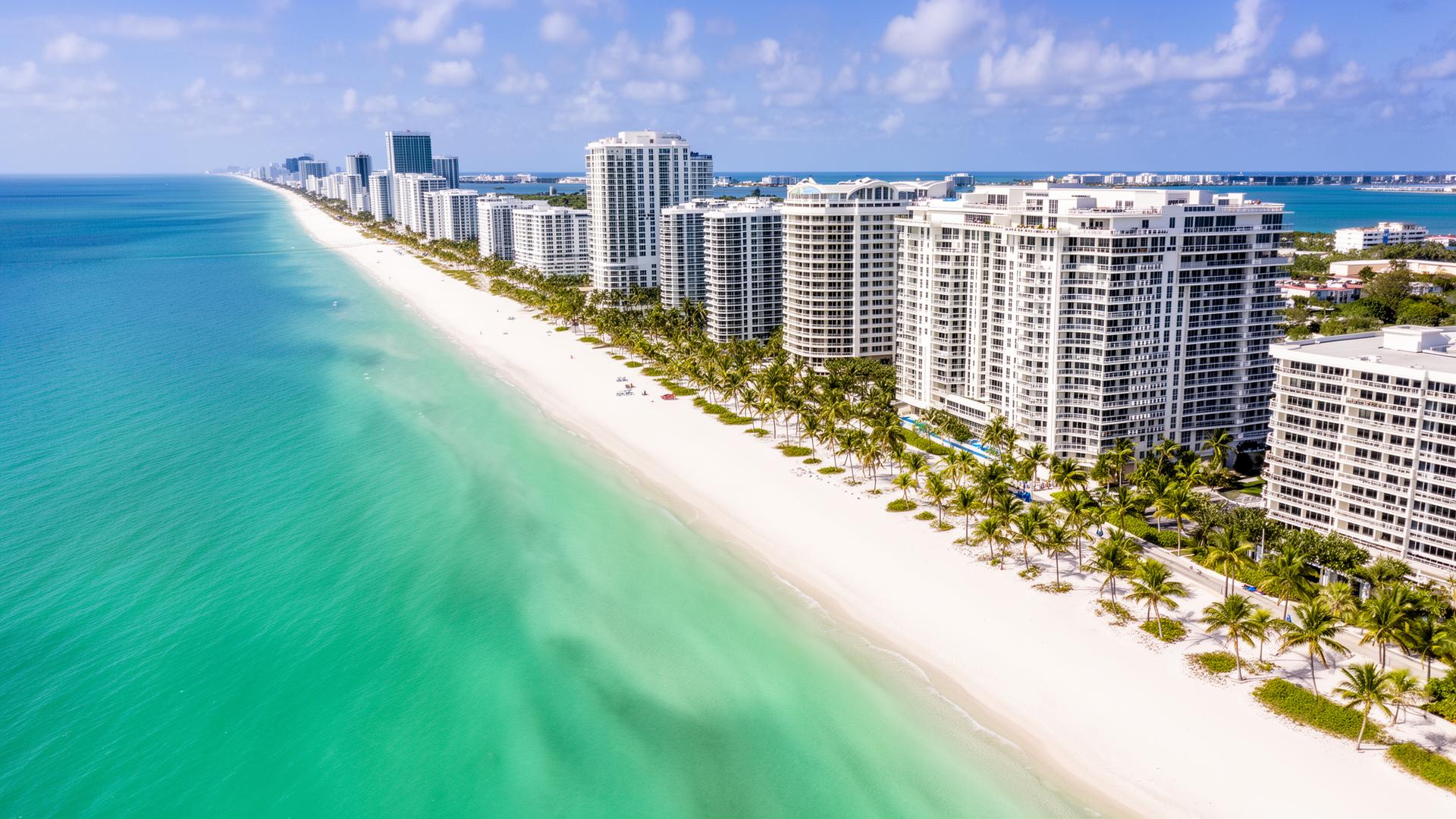
Miami Wellness Living: Homes Near Spas and Health Clubs
If you want a Miami home built around spas, health clubs, and wellness amenities, you have two paths: buy near a strong amenity base and pay for access, or buy inside a wellness-branded building and fold the amenities into your monthly carry. Both work. The question worth underwriting is whether the wellness package justifies the price you pay to get in and the fee you pay every month to keep it.
Wellness real estate is not a marketing gimmick anymore. The Global Wellness Institute put the global wellness real estate market at $584 billion in 2024 and forecasts it will reach $1.1 trillion by 2029 [1]. Its research finds that wellness-focused homes at the middle and upper ends of the market command a price premium of roughly 10 to 25 percent over comparable non-wellness properties [1]. In Miami that shows up in buildings like The Well Bay Harbor Islands, Carillon in North Beach, and the Six Senses Residences planned for the former Deauville site on Collins. The premium is real. So is the carry. This post treats it as an investment, not a lifestyle brochure.
Last updated: July 2026
What you are actually buying
There are three tiers, and they price very differently.
Proximity. A standard condo or single-family home within walking distance of a spa, a health club, or a wellness resort. You pay a modest location premium and buy your own memberships. Your amenity cost is variable and cancelable.
Amenity-rich, non-branded. A building with a large in-house fitness and spa program, but no hotel brand attached. The amenities are baked into your association fee, so the cost is fixed and mandatory whether or not you use the gym.
Wellness-branded. A residence tied to a hospitality or wellness operator, such as The Well or Six Senses. You pay the amenity carry plus a brand and service layer, and the brand contract has a term and an expiration.
The underwriting error most buyers make is comparing a branded unit to a proximity unit on sticker price alone. They are not the same asset. One gives you optional access; the other locks in a monthly obligation for the life of your ownership.
The fee is the story
Amenities are not free once you own them. In Miami-Dade, the median monthly condo association fee was reported around $900 in 2024, up from about $567 in 2019 [2]. Amenity-heavy and wellness-branded towers sit well above that. Fees in the upper tier are often quoted per square foot rather than as a flat number: The Setai has been quoted around $2.00 per square foot per month and the Ritz-Carlton Residences, Miami Beach around $1.45 per square foot [2].
Run that math before you fall in love with a floor plan. At $1.75 per square foot, a 2,000-square-foot residence carries roughly $3,500 a month, or about $42,000 a year, in association fees alone, before taxes and insurance. Over a ten-year hold that is more than $400,000 in carry, and association budgets in Florida have been rising, not falling, since the post-Surfside reserve-funding requirements took effect.
So the honest question is not "do I like the spa." It is: would I otherwise spend this much on gym memberships, spa visits, and services? If a family would genuinely spend $2,000 to $3,000 a month on wellness anyway, bundling it into the building can pencil out. If the gym would sit unused half the year, you are financing someone else's amenity.
Does the premium hold at resale
This is where the brand layer earns its keep or does not. Branded residences broadly carry a price premium often cited in the 25 to 40 percent range over comparable unbranded product, with strong hotel operators at the higher end [3]. The catch is durability. Industry analysis is direct about it: if the brand exits after sales close, the premium does not hold [3]. The logo is only worth what the service behind it is worth, and the management agreement that guarantees that service has a term.
That is the single most important document in a wellness-branded purchase, and most buyers never read it. Ask three questions before you write an offer:
- How long is the brand and management agreement, and who can renew or terminate it? A 20-year term with owner-favorable renewal is a different asset than a 10-year term the operator can walk away from.
- What happens to the amenities and staffing if the brand leaves? If the spa, concierge, and programming are contractually the operator's, a de-branding can strip the very thing you paid the premium for.
- Are the amenity and brand fees separate from the base association fee, and can they rise independently? Bundled fees can climb faster than a standard condo budget.
A proximity buy sidesteps all of this. Near Miami Beach, Bay Harbor, or Aventura you can own a well-located home, keep your wellness spending variable, and never carry brand risk. You give up the lobby-level convenience, but you keep control of the cost.
How I underwrite a wellness home for clients
I treat it as three separate line items rather than one price. First, the base real estate: what would this unit trade for with an ordinary amenity package in the same location? Second, the amenity carry: the annualized association and amenity fees over the expected hold, treated as a cost, not a feature. Third, the brand premium: the extra dollars at purchase that depend on a contract staying in force. If the brand premium is large and the contract is short or operator-terminable, that is the part of the price most exposed to loss at resale.
A proximity home near a strong wellness base often gives a health-focused buyer 80 percent of the daily benefit at a fraction of the fixed carry. A branded residence makes sense when the service is genuinely used, the management agreement is long and durable, and the resale comps in that specific building already support the premium. Both can be right. They are just different trades.
If you are weighing a wellness-branded building against a home near the amenities, I am happy to price both paths side by side. You can start a buyer consultation to underwrite the carry, or if you already own in one of these buildings and want to know where the number sits today, request a home valuation. For the surrounding market, the Miami Beach neighborhood page covers the corridor where most of this inventory sits.
Frequently asked questions
How much of a premium do wellness homes command in Miami? The Global Wellness Institute estimates wellness-focused residences at the middle and upper ends of the market carry a price premium of about 10 to 25 percent over comparable non-wellness homes [1]. Wellness-branded residences tied to a hotel operator can run higher, in the range cited for branded product generally [3].
What are HOA fees like in wellness and amenity-heavy Miami condos? Miami-Dade's median monthly condo fee was reported near $900 in 2024, up from about $567 in 2019 [2]. Upper-tier towers are often quoted per square foot, with figures around $1.45 to $2.00 per square foot per month reported for buildings like the Ritz-Carlton Residences and The Setai [2]. On a 2,000-square-foot unit that is roughly $2,900 to $4,000 a month.
What happens to my value if the wellness brand leaves? The premium is tied to the brand and its service. Industry analysis is clear that if the operator exits after sales close, the price premium tends not to hold [3]. Read the brand and management agreement for its term and termination rights before you rely on the premium at resale.
Is it smarter to buy near wellness amenities instead of inside a branded building? Often, yes, if you would not fully use the in-house program. A proximity home lets you keep wellness spending variable and avoid brand-contract risk, while still living minutes from spas and health clubs. A branded residence pays off when the service is heavily used and the management agreement is long and durable.
Which Miami areas have the most wellness-oriented inventory? Miami Beach and North Beach, Bay Harbor Islands, and the Aventura and Bal Harbour corridor hold most of the wellness-branded and amenity-heavy product, including buildings like Carillon and The Well Bay Harbor Islands.
Gabriel
Sources
- Global Wellness Institute: Wellness Real Estate Market Reached $584 Billion in 2024 (Build Well to Live Well 2025)
- MILLION: Miami Luxury Condo HOA Fees in 2024, What Buyers Should Know
- MILLION: Branded Residence Premiums, When the Logo Holds Value and When It Does Not
Gabriel A. Moyers, PA. eXp Realty. Florida License #3407280. Equal Housing Opportunity. This article is general information as of July 2026 and is not legal, tax, or financial advice. Verify current figures against authoritative sources before acting.
Thinking of selling your luxury property in Miami? Find out what your home is worth.
Get Your Home ValuationLooking for your dream home in Miami? Take our personalized home search quiz.
Start Your Home Search Quiz